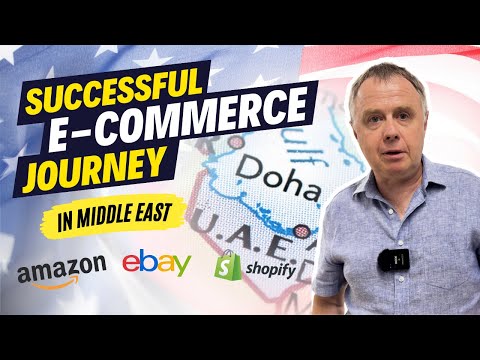
Dubai has emerged as the undisputed e-commerce capital of the Middle East, and 2025 presents unprecedented opportunities for entrepreneurs looking to establish their online businesses in this thriving digital ecosystem. With the UAE’s e-commerce market projected to reach $27.1 billion by 2025, representing a compound annual growth rate of 53%, there has never been a better time to leverage Dubai’s strategic advantages for your online venture.
Why Dubai is the Ultimate E-commerce Hub in 2025
Dubai’s transformation into a global e-commerce powerhouse isn’t accidental—it’s the result of strategic government initiatives, world-class infrastructure, and a business-friendly environment that continues to attract international entrepreneurs. The emirate’s position as a gateway between East and West, combined with its tax-free zones and advanced logistics capabilities, creates an ideal foundation for online businesses.
Strategic Geographic Advantage
Dubai’s location provides unparalleled access to over 2.5 billion consumers across Africa, Asia, and Europe within an 8-hour flight radius. This strategic positioning makes it an ideal hub for e-commerce businesses targeting multiple regional markets simultaneously. The emirate’s world-class airports and seaports facilitate seamless international shipping, reducing delivery times and costs for online retailers.
Government Support and Vision 2071
The UAE’s ambitious Vision 2071 aims to make the country the world’s best by its centennial, with significant investments in digital infrastructure and e-commerce capabilities. Government initiatives like the Dubai 10X program, which aims to make Dubai the most advanced city in the world, directly benefit e-commerce entrepreneurs through enhanced digital services, streamlined business processes, and cutting-edge technology infrastructure.
Understanding Dubai’s E-commerce Landscape in 2025
The Dubai e-commerce ecosystem has matured significantly, with local consumers embracing online shopping at unprecedented rates. Mobile commerce accounts for over 65% of all online transactions, reflecting the tech-savvy nature of Dubai’s population. This shift has created opportunities across various sectors, from fashion and electronics to health and beauty products.
Key Market Trends
Several trends are shaping Dubai’s e-commerce landscape in 2025:
- Cross-border Commerce: Dubai’s position as a re-export hub makes it ideal for businesses looking to serve multiple international markets
- Omnichannel Retail: The integration of online and offline shopping experiences is becoming increasingly important
- Sustainable E-commerce: Growing consumer awareness of environmental issues is driving demand for eco-friendly products and practices
- AI and Personalization: Advanced analytics and artificial intelligence are enabling hyper-personalized shopping experiences
Choosing the Right Business Structure
Selecting the appropriate business structure is crucial for your e-commerce venture’s success in Dubai. Each option offers distinct advantages depending on your business model, target market, and growth objectives.
Free Zone Companies
Free zones remain the most popular choice for e-commerce businesses due to their numerous advantages:
- 100% foreign ownership
- Zero corporate and personal income tax
- Full profit repatriation
- Streamlined business setup process
- World-class infrastructure and facilities
Popular free zones for e-commerce businesses include Dubai Internet City (DIC), Dubai Multi Commodities Centre (DMCC), and Dubai South, each offering specialized services and benefits for online retailers.
Mainland Companies
Mainland company formation allows you to trade directly within the UAE market without restrictions. Recent changes to UAE company law now permit 100% foreign ownership in many sectors, making mainland setup more attractive for e-commerce businesses targeting the local market primarily.
Dubai CommerCity
Specifically designed for e-commerce businesses, Dubai CommerCity offers specialized infrastructure and services tailored to online retailers. This free zone provides comprehensive solutions including fulfillment centers, last-mile delivery services, and digital marketing support.
Legal Requirements and Compliance
Navigating Dubai’s regulatory landscape requires understanding key legal requirements that apply to e-commerce businesses. Compliance with these regulations is essential for long-term success and avoiding potential legal issues.
E-commerce Licensing
All e-commerce businesses in Dubai must obtain appropriate licenses from the Department of Economic Development (DED) or the relevant free zone authority. The type of license depends on your business activities, whether you’re selling physical products, digital services, or operating a marketplace platform.
Data Protection and Privacy
The UAE Data Protection Law requires e-commerce businesses to implement robust measures for protecting customer data. This includes obtaining proper consent for data collection, implementing security measures, and ensuring compliance with international data transfer requirements.
Consumer Protection
Dubai’s consumer protection laws are comprehensive and enforce strict standards for online retailers. These include clear return and refund policies, accurate product descriptions, transparent pricing, and prompt customer service response times.
Setting Up Your E-commerce Infrastructure
Building a successful e-commerce business in Dubai requires establishing robust technical and operational infrastructure that can scale with your growth.
E-commerce Platform Selection
Choose a platform that aligns with your business needs and growth objectives. Consider factors such as:
- Scalability and performance
- Integration capabilities with local payment gateways
- Multi-language and multi-currency support
- Mobile optimization
- SEO and marketing tools
Popular platforms among Dubai-based e-commerce businesses include Shopify Plus, Magento Commerce, and WooCommerce, each offering different advantages for specific business models.
Payment Gateway Integration
Dubai’s diverse population requires multiple payment options to cater to different preferences. Essential payment methods include:
- Credit and debit cards (Visa, Mastercard, Amex)
- Digital wallets (Samsung Pay, Apple Pay, Google Pay)
- Local payment solutions (PayFort, Telr, Network International)
- Buy-now-pay-later options (Tabby, Tamara)
- Cash on delivery for traditional preference segments
Logistics and Fulfillment
Efficient logistics operations are critical for e-commerce success in Dubai. Consider these options:
- Third-party logistics (3PL): Partner with established providers like Aramex, DHL, or local specialists
- Fulfillment centers: Utilize Amazon FBA or dedicated e-commerce fulfillment facilities
- Last-mile delivery: Integrate with local delivery services for quick urban delivery
- International shipping: Leverage Dubai’s position as a logistics hub for global markets
Marketing Your E-commerce Business
Marketing in Dubai’s competitive e-commerce landscape requires a multi-channel approach that resonates with the diverse local population while building brand awareness and driving sales.
Digital Marketing Strategies
Effective digital marketing in Dubai should encompass:
- Search Engine Optimization (SEO): Optimize for both English and Arabic keywords to capture the broader market
- Pay-Per-Click (PPC) Advertising: Utilize Google Ads and social media advertising for targeted customer acquisition
- Social Media Marketing: Leverage platforms popular in the region, including Instagram, TikTok, and Snapchat
- Influencer Partnerships: Collaborate with local influencers who resonate with your target audience
- Content Marketing: Create valuable, culturally relevant content that addresses local customer needs
Cultural Considerations
Understanding Dubai’s multicultural environment is crucial for effective marketing. Consider:
- Cultural sensitivities and religious observances
- Language preferences (English, Arabic, Hindi, Urdu)
- Shopping behaviors and seasonal trends
- Local festivals and celebrations (Ramadan, Eid, Diwali)
Financial Planning and Banking
Establishing proper financial infrastructure is essential for your e-commerce business’s success in Dubai. This includes setting up banking relationships, understanding tax implications, and planning for sustainable growth.
Banking Solutions
Dubai’s banking sector offers sophisticated solutions tailored to e-commerce businesses:
- Multi-currency accounts for international transactions
- Merchant services for payment processing
- Trade finance facilities for inventory management
- Digital banking platforms for efficient financial management
Tax Advantages
One of Dubai’s key attractions for e-commerce businesses is its favorable tax environment:
- Zero corporate income tax (with recent introduction of 9% tax on profits exceeding AED 375,000)
- No personal income tax
- 5% VAT on most goods and services
- Various exemptions and incentives for qualified businesses
Scaling Your Business for Future Growth
Building a sustainable e-commerce business in Dubai requires planning for long-term growth and expansion. Consider these strategies for scaling your operations:
Technology and Automation
Invest in technology solutions that can grow with your business:
- Customer relationship management (CRM) systems
- Inventory management and forecasting tools
- Marketing automation platforms
- Analytics and reporting systems
- Artificial intelligence for personalization and customer service
Market Expansion
Dubai’s strategic location makes it an ideal launchpad for regional expansion:
- GCC markets for similar consumer preferences
- African markets through established trade relationships
- Asian markets via Dubai’s logistics networks
- European markets through Dubai’s connectivity
Common Challenges and How to Overcome Them
While Dubai offers exceptional opportunities for e-commerce businesses, entrepreneurs should be prepared for common challenges:
Competition
The competitive landscape requires differentiation through unique value propositions, superior customer service, and innovative marketing approaches.
Cultural Adaptation
Success requires understanding and adapting to local cultural norms, preferences, and business practices.
Regulatory Changes
Stay informed about evolving regulations and ensure ongoing compliance with changing legal requirements.
Success Stories and Best Practices
Learn from successful e-commerce businesses that have thrived in Dubai’s ecosystem. Key success factors include:
- Strong focus on customer experience
- Efficient supply chain management
- Continuous innovation and adaptation
- Building strong local partnerships
- Investing in technology and talent
Conclusion: Your E-commerce Future Starts in Dubai
Dubai’s e-commerce boom in 2025 presents extraordinary opportunities for entrepreneurs ready to capitalize on this dynamic market. The combination of strategic location, business-friendly environment, advanced infrastructure, and government support creates an ideal ecosystem for online business success.
Starting your e-commerce journey in Dubai requires careful planning, proper execution, and ongoing adaptation to market changes. By understanding the regulatory landscape, choosing the right business structure, building robust infrastructure, and implementing effective marketing strategies, you can position your business for sustainable growth and success.
The time to act is now. Dubai’s e-commerce market continues to evolve rapidly, and early movers who establish themselves in 2025 will have significant advantages in capturing market share and building lasting customer relationships.
Whether you’re a seasoned entrepreneur or a first-time business owner, Dubai offers the platform, resources, and opportunities to transform your e-commerce vision into reality. Take the first step toward leveraging Dubai’s e-commerce boom, and position your business at the forefront of the region’s digital transformation.
Ready to start your e-commerce journey in Dubai? Contact our business setup experts today to discover how you can establish your online business in one of the world’s most dynamic markets.