Business Information
Why Dubai is the Ultimate Business Hub: Key Opportunities for Entrepreneurs in 2026
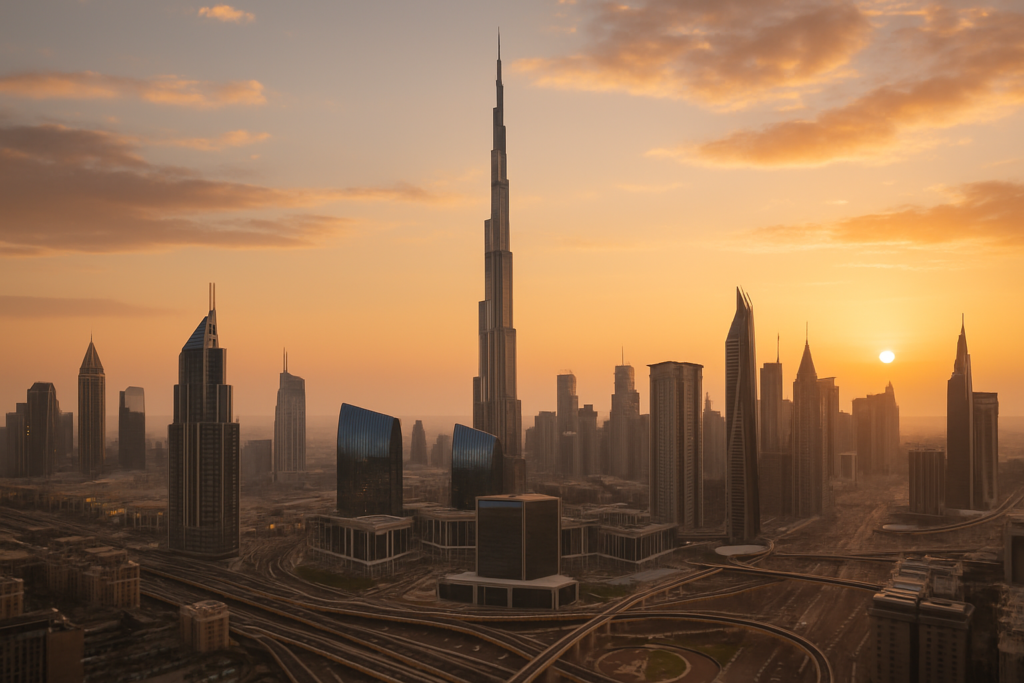
Dubai continues to set benchmarks on the global stage, attracting ambitious entrepreneurs and forward-thinking investors. In this dynamic metropolis, opportunity meets innovation against a backdrop of world-class infrastructure, strategic location, and a business-friendly ecosystem. This comprehensive guide explores Why Dubai is the Ultimate Business Hub: Key Opportunities for Entrepreneurs in 2026, detailing the unique advantages and practical steps to establish a successful enterprise in the UAE’s leading commercial center.
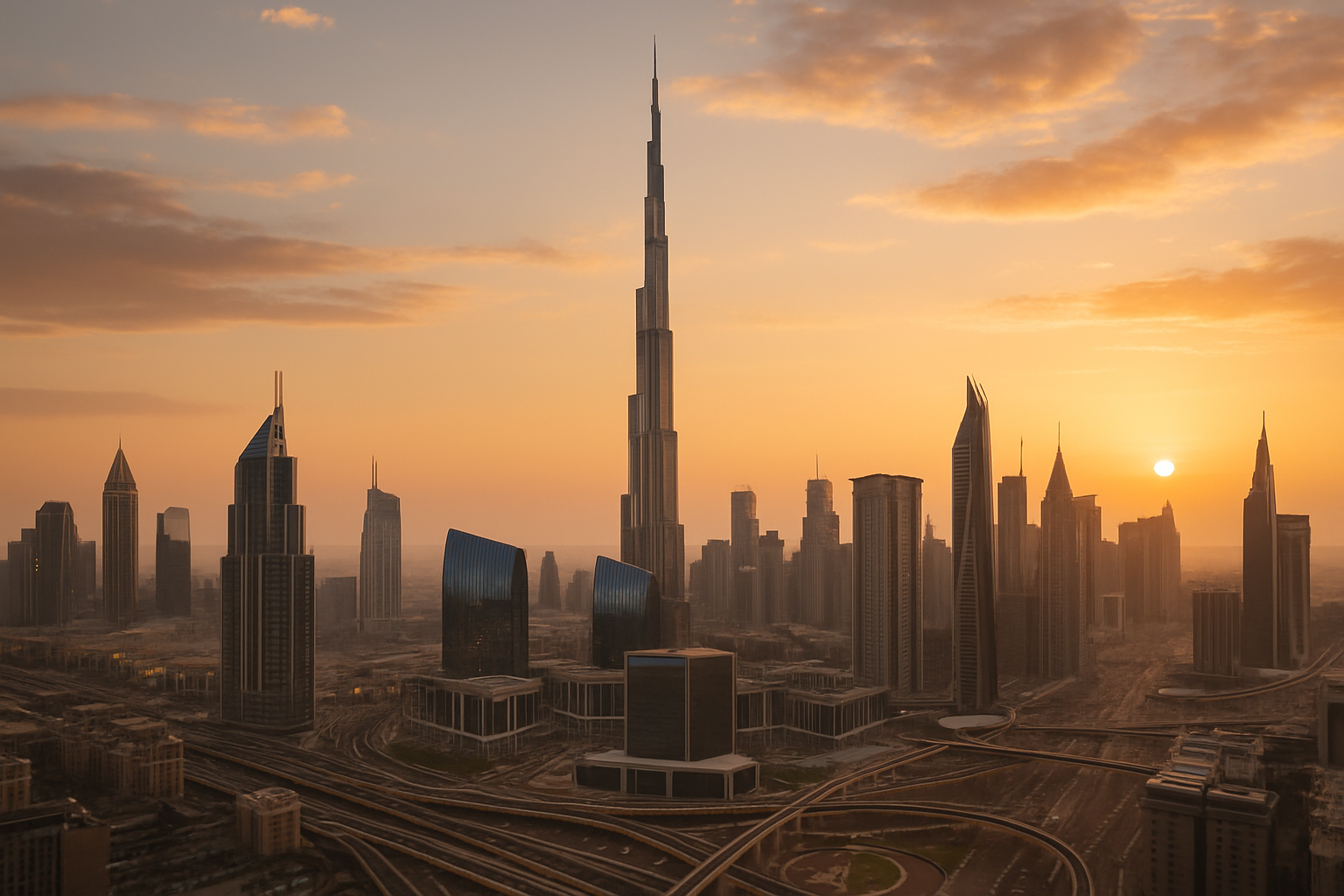
Strategic Geographic Location
At the crossroads of Europe, Asia, and Africa, Dubai offers unparalleled access to more than two billion consumers within an eight-hour flight radius. This advantageous positioning makes it an ideal hub for:
- Regional distribution and logistics.
- Serving emerging markets in South Asia and Africa.
- Time-sensitive industries like aviation, perishables, and e-commerce.
The recently expanded Al Maktoum International Airport and Jebel Ali Port ensure efficient cargo handling, reducing transit times and costs for importers and exporters.
Diversified Economy and Industry Opportunities
Once reliant primarily on oil, Dubai’s economy now spans finance, tourism, real estate, logistics, and manufacturing. Initiatives like the Dubai Industrial Strategy 2030 and the Dubai Plan 2021 drive diversification by fostering local production and high-value sectors. Key industries to watch include:
- FinTech: Robust regulatory frameworks and government-backed accelerator programs.
- Healthcare and Life Sciences: World-class facilities and public-private partnerships.
- E-Commerce: Fast-growing consumer base and seamless digital payments systems.
- Aviation and Aerospace: Global maintenance, repair, and overhaul (MRO) hub under development.
Tax Benefits and Financial Incentives
One of the primary draws for foreign investors is Dubai’s zero percent corporate and personal income tax, applicable in mainland and free zones. Additional incentives include:
- 100% repatriation of profits and capital.
- Customs duty exemptions in free zones.
- Government grants for strategic sectors (e.g., renewable energy, R&D).
- Support funds and loans for SMEs.
These measures significantly enhance return on investment and cash-flow management for startups and established businesses alike.
World-Class Infrastructure and Connectivity
Dubai’s infrastructure ranks among the best worldwide, featuring seamless road networks, metro lines, and smart city initiatives. The city invests over AED 150 billion in transport and digital infrastructure, ensuring:
- High-speed internet and 5G coverage citywide.
- Efficient public transport linking commercial districts and residential areas.
- State-of-the-art exhibition centers hosting global trade fairs.
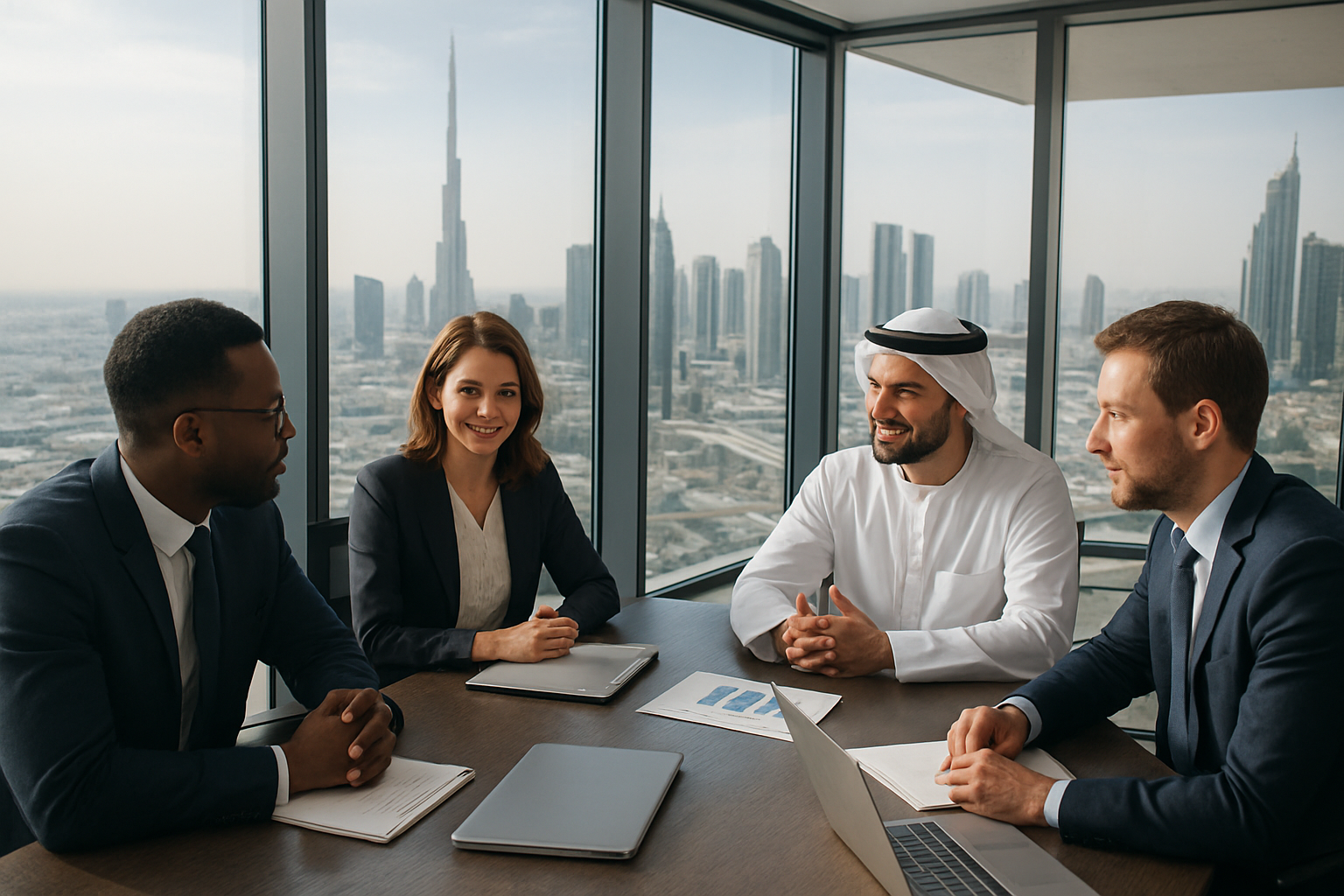
Pro-Business Regulatory Environment
Dubai’s government continuously refines regulations to facilitate ease of doing business. Key reforms implemented in 2026 include:
- Streamlined online licensing and visa processing.
- Introduction of dual-licensing for mainland companies to access free-zone benefits.
- Regulations protecting minority shareholders and intellectual property rights.
These enhancements reduce bureaucratic hurdles, enabling entrepreneurs to focus on business growth rather than administrative delays.
Guide: How to Set Up Your Business in Dubai in 2026
Embarking on a business journey in Dubai requires careful planning and adherence to local regulations. Here’s a step-by-step process tailored for 2026:
- Choose Your Jurisdiction: Decide between mainland, free zone, or offshore based on ownership, operational scope, and local market access.
- Select Business Activity: Refer to the Department of Economic Development (DED) activity list to secure the appropriate license category.
- Apply for Initial Approvals: Submit your proposed business name, corporate structure, and shareholder details via online portals.
- Secure Premises: Provide tenancy agreements for mainland or office space confirmation for free-zone entities.
- Obtain Licenses and Visas: Finalize license payment, process investor and employee visas, and register with the Chamber of Commerce.
- Open a Corporate Bank Account: Partner with international or local banks offering fintech integrations and multi-currency accounts.
- Enroll in Support Programs: Leverage government-backed incubation, grants, and accelerators aligned with the UAE’s National Innovation Strategy.
Engaging a reputable business setup consultancy like Emirates Business Setup can simplify each stage, ensuring compliance and speed.
Free Zones: Maximizing Operational Flexibility
Dubai’s 40+ free zones cater to specific industries, providing tailor-made facilities and regulatory frameworks. Popular choices for 2026 include:
- Dubai Multi Commodities Centre (DMCC): Ideal for commodities trading and fintech ventures.
- Dubai Internet City (DIC): Hub for tech startups and software development.
- Jebel Ali Free Zone (JAFZA): Logistics, manufacturing, and distribution headquarters.
- Dubai Healthcare City (DHCC): Attracts healthcare providers and research institutions.
In free zones, entrepreneurs benefit from 100% foreign ownership, no customs duties, and specialized facilities—factors that streamline operations and reduce entry barriers.
Innovation and Digital Transformation
Dubai’s ambition to become a global leader in innovation is evident through initiatives like the Dubai Future Accelerators and the government’s push for blockchain adoption. Key highlights for 2026:
- National blockchain strategy empowering data security and smart contracts.
- Smart government services offering 98% digital transaction capability.
- Investment in AI-driven solutions for healthcare, finance, and urban planning.
This digital-first approach enhances transparency, speeds up decision-making, and fosters an ecosystem where tech-driven startups can thrive.
Expo Legacy and Future Events
The successful hosting of Expo 2020 (extended to March 2022) positioned Dubai as a premier destination for trade exhibitions and global conferences. Its legacy includes:
- Newly developed districts repurposed for business parks and cultural hubs.
- Annual events like GITEX Technology Week and Arabian Travel Market.
- Opportunities for B2B networking through sector-specific summits.
These platforms enable entrepreneurs to showcase innovations, connect with international partners, and access venture capital.
Quality of Life and Talent Attraction
Dubai’s cosmopolitan lifestyle blends luxury living with cultural diversity. Highlights for 2026 include:
- World-class healthcare and education systems catering to expatriate communities.
- Safe and secure environment with top rankings in global livability indices.
- Cultural festivals, culinary experiences, and leisure attractions boosting resident satisfaction.
Visa reforms, such as the longer-term Golden Visa and remote working permits, attract global talent and high-net-worth individuals.
Emerging Sectors to Watch in 2026
Dubai’s strategic focus on diversification has spurred growth in several high-potential sectors:
FinTech
With fintech investments expected to exceed USD 2 billion in 2026, Dubai offers regulatory sandboxes and partnership opportunities with major banks, fintech accelerators, and payment gateways.
E-Commerce
Online retail continues its upward trajectory, supported by smart logistics, drone deliveries under pilot programs, and consumer payment solutions, making it a lucrative venture.
Renewable Energy
The UAE’s commitment to net-zero emissions by 2050 has triggered massive solar and wind energy projects. Entrepreneurs can engage in manufacturing of green technologies, EPC contracts, and solar park operations.
Healthcare and Biotechnology
Private healthcare spending is set to grow by 7% annually. Dubai’s DHCC and newly established research parks offer collaboration avenues in clinical trials, medical devices, and telemedicine.
Tourism and Hospitality
Pre-pandemic visitor numbers reached 16 million annually. By 2026, experiential tourism, luxury resorts, and cultural tourism integrated with AR/VR experiences will create fresh business opportunities.
Sustainability and Green Economy Initiatives
Aligned with UAE Vision 2021 and the Paris Agreement, Dubai is prioritizing the green economy. Key initiatives include:
- Retrofit programs for energy-efficient buildings.
- Green building regulations enforced across urban zones.
- Carbon trading platforms under development.
Startups focusing on waste management, recycling technologies, and smart water solutions can leverage government incentives and R&D grants.
Conclusion
In summary, Why Dubai is the Ultimate Business Hub: Key Opportunities for Entrepreneurs in 2026 can be attributed to its strategic location, robust infrastructure, tax-free environment, and forward-looking policies. By tapping into emerging sectors and leveraging government initiatives, entrepreneurs stand to benefit from one of the world’s most dynamic business ecosystems. Start planning your Dubai venture today to capitalize on these unparalleled opportunities.