Business Information
Top 7 Benefits of Setting Up Your Business in Dubai in 2026: Unlocking New Government Incentives and Opportunities
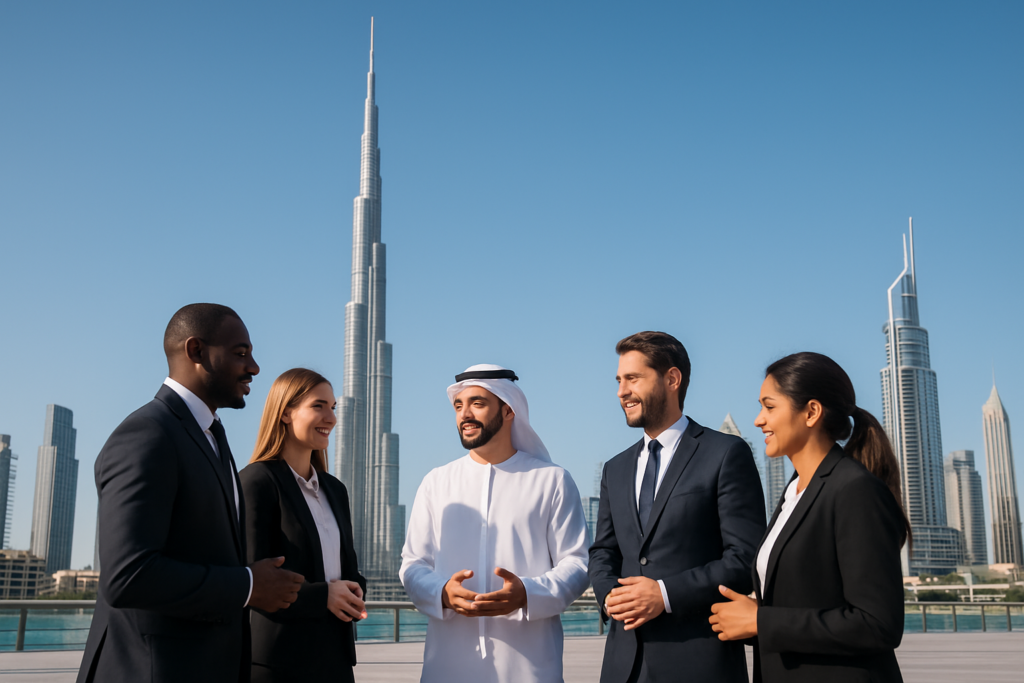
Dubai continues to attract entrepreneurs and investors from across the globe. As we move into 2026, the Emirate is unveiling a fresh wave of government incentives and opportunities designed to empower businesses at every stage—from startups to multinational corporations. From enhanced foreign ownership rights to advanced infrastructure and tax efficiencies, the Top 7 Benefits of Setting Up Your Business in Dubai in 2026: Unlocking New Government Incentives and Opportunities will help you understand why Dubai remains an exceptional destination for global business expansion.
Introduction to Dubai’s Evolving Business Landscape
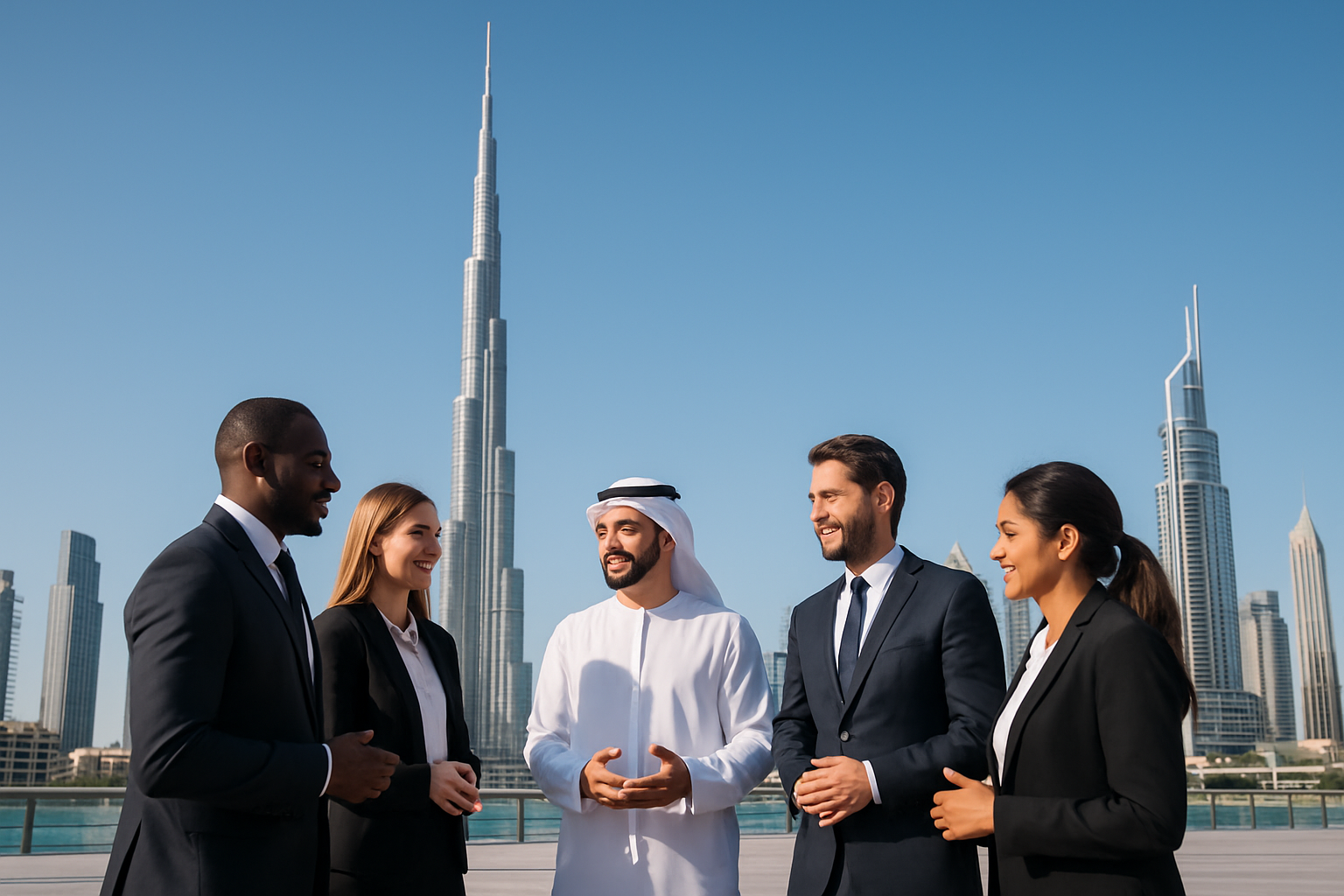
Known for its visionary leadership and robust legal framework, Dubai is more than a regional hub—it’s a global gateway. In recent years, the emirate has diversified its economy beyond oil, focusing on tourism, finance, technology, healthcare, logistics, and renewable energy. Building on the momentum of Expo 2020 and aligning with the UAE Centennial 2071 vision, Dubai’s 2026 reforms are aimed at reinforcing its position as a world-class business ecosystem.
Understanding the Top 7 Benefits of Setting Up Your Business in Dubai in 2026: Unlocking New Government Incentives and Opportunities is crucial for entrepreneurs, investors, and families relocating from the USA, UK, Canada, Europe, and beyond. This comprehensive guide delves into each advantage with practical examples, key facts, and actionable insights.
1. 100% Foreign Ownership Across Multiple Sectors
One of the landmark changes set for 2026 is the expansion of 100% foreign ownership across a wider range of business activities. Previously, foreign investors required a local sponsor holding 51% of shares. Under the new regulations, full ownership is permitted in sectors such as technology, logistics, healthcare, green energy, media, and education services.
- Greater control: Maintain complete decision-making authority and strategic direction.
- Streamlined operations: Eliminate sponsorship negotiations and associated fees.
- Clearer exit strategies: Facilitates corporate divestment or sale without local partner constraints.
Examples of Thriving Sectors
Tech entrepreneurs can own 100% of their software development firms, while healthcare investors can fully control clinics offering telemedicine and specialized treatments. Logistics operators can establish freight forwarding enterprises without local equity limits. This open-ownership approach has already fueled over AED 30 billion in new foreign direct investment (FDI) announcements in the first quarter of 2026 alone.
2. Attractive Tax Incentives and Zero Income Tax
Dubai’s tax environment is a major driver for international businesses. In 2026, the government is rolling out enhanced tax credit schemes and reaffirming its zero personal and corporate income tax stance. These measures are tailored to attract high-value sectors like artificial intelligence, fintech, and clean energy.
- Zero personal income tax: Keep 100% of your salary and dividends.
- Zero corporate tax: Applies to most sectors, except oil and banking, which benefit from capped rates.
- Sector-specific tax credits: R&D credits up to 50% for qualifying activities in AI and biotechnology.
- Double taxation treaties: Expanded network now covers 95+ countries, mitigating cross-border tax exposure.
Case Study: A US-based fintech startup relocating to DIFC in early 2026 reported a 40% increase in net profit after leveraging a 30% R&D tax credit and zero corporate tax. These savings can be reinvested in innovation, marketing, or scaling operations.
3. Strategic Location and Unmatched Connectivity
Positioned at the crossroads of Europe, Asia, and Africa, Dubai offers unparalleled connectivity. In 2026, the expansion of mega projects like AirHub and SeaGate will further enhance the emirate’s logistics capabilities.
- International airports: Dubai International (DXB) and Al Maktoum International (DWC) handle over 100 million passengers annually.
- World-class ports: Jebel Ali Port ranks among the top 10 globally, serving 160 shipping lines.
- Comprehensive road network: Direct access to all GCC countries via seamless highways.
- Overlapping time zones: Facilitates communication with Europe and Asia during regular business hours.
Major Projects Enhancing Connectivity
The AirHub expansion includes new cargo terminals equipped for cold chain logistics—crucial for pharmaceutical and perishable goods. SeaGate integrates AI-driven port management systems, reducing container dwell times by 20%. Any business dealing in imports, exports, or e-commerce will see operational cost reductions and faster delivery cycles.
4. State-of-the-Art Infrastructure and Smart City Initiatives
Dubai is internationally recognized for its cutting-edge infrastructure. Under the Smart Dubai 3.0 initiative, the emirate is integrating IoT, AI, and blockchain into public services, utilities, and transportation systems by 2026.
- 5G broadband coverage: Enables reliable, high-speed connectivity across urban and free zone areas.
- Smart utilities: Automated metering for water and electricity, cutting consumption by 15% in pilot districts.
- Green building incentives: Grants for LEED- and Estidama-certified office and industrial facilities.
Top Free Zones and Smart City Highlights
Dubai offers more than 45 free zones, each with specialized facilities. For technology ventures, Dubai Silicon Oasis provides plug-and-play offices with integrated data centers. In JAFZA, manufacturing companies benefit from proximity to port terminals. The blockchain-powered Trade License system expedites approvals, cutting registration time from 14 days to under 48 hours.
5. New Government Grants, Funds, and Ecosystem Support
To complement tax incentives, Dubai’s government is scaling up grant funding, venture capital support, and incubation programs in high-growth sectors.
- Innovation Grants: Up to AED 500,000 per project for qualifying AI, robotics, and biotech startups.
- Green Energy Fund: AED 2 billion allocated for solar, wind, and waste-to-energy projects.
- SME Development Loans: Low-interest loans (2%–4%) available through Dubai SME and local banks.
- Incubators & Accelerators: Dtec, Hub71, and in5 offer mentorship, co-working spaces, and investor networking.
These programs have sparked a 25% year-on-year increase in Dubai-based startups, particularly in fintech and clean energy. Entrepreneurs can tap into specialized programs like the DIFC FinTech Hive and the Dubai Future Accelerators to pilot high-impact solutions alongside government entities.
6. Robust Legal and Regulatory Framework
Dubai’s transparent legal system protects investors and fosters confidence. The 2026 Business Law Reform will further enhance commercial dispute resolution, intellectual property protection, and regulatory sandboxes.
- Fast-track dispute resolution: New Commercial Courts delivering judgments within 90 days.
- Enhanced IP protection: Digital registration portals and specialized IP enforcement units.
- Regulatory sandboxes: Flexible frameworks for fintech, blockchain, biotech, and autonomous vehicles.
- International arbitration: Leading institutions like DIAC and ADCCAC offer multilingual arbitration services.
Adopting IFRS standards and aligning regulations with OECD guidelines ensures that Dubai remains in compliance with global best practices. This legal clarity reduces operational risk and safeguards shareholder interests.
7. High Quality of Life and Expat-Friendly Environment
For entrepreneurs relocating with families, Dubai provides an exceptional living environment. Combining luxury with safety, the city offers world-class healthcare, education, and recreational amenities.
- Education: Over 200 schools offering UK, US, IB, and Indian curricula.
- Healthcare: JCI-accredited hospitals and clinics employing international medical professionals.
- Safety: Consistently ranked among the world’s safest cities with low crime rates.
- Golden Visas: 10- and 20-year residency for investors, entrepreneurs, and specialized talents.
Living and Leisure Perks
Beyond work, Dubai boasts a vibrant social scene—world-renowned restaurants, international sporting events, art galleries, desert adventures, and luxury retail outlets. With over 7,200 hotel rooms added in 2025 and 2026, business visitors and relocating families have a wealth of accommodation options, from serviced apartments to beachfront villas.
How to Set Up Your Business in Dubai: A Step-by-Step Guide
Embarking on your Dubai business journey involves a clear sequence of actions:
- Choose a Business Activity: Review over 2,200 sanctioned activities listed by the Department of Economy and Tourism (DET).
- Select Legal Structure: Decide between mainland, free zone, or offshore based on equity, visa quotas, and tax needs.
- Reserve Trade Name: Ensure compliance with naming conventions before submission to DET.
- Obtain Initial Approvals: Apply to DET or relevant free zone authority for preliminary sign-off.
- Draft MOA & AOA: Legal documents defining shareholding, objectives, and governance.
- Lease Office Space: Secure physical premises or flexi-desk per regulatory mandates.
- Submit License Application: Provide all documentation, pay fees, and receive your trade license.
- Open Corporate Bank Account: Complete KYC with local or international banking partners.
- Visa Processing: Apply for investor, partner, and employee visas through the GDRFA or free zone e-channels.
Engaging a seasoned consultancy like Emirates Business Setup can streamline each phase, ensuring compliance and accelerating timelines.
Frequently Asked Questions (FAQs)
How long does it take to incorporate a company in Dubai in 2026?
With the new streamlined processes, mainland companies can be registered in as little as 5 business days, while free zone incorporations typically take 2–3 days.
What is the minimum capital requirement?
Most free zones have no minimum capital requirement. Mainland companies usually set AED 300,000, though certain activities may waive or adjust this threshold.
Can I sponsor visas for my family?
Yes. Investor visas permit sponsorship of spouses, dependent children (up to age 25), and domestic staff under specified conditions.
Conclusion
The Top 7 Benefits of Setting Up Your Business in Dubai in 2026: Unlocking New Government Incentives and Opportunities underline why the emirate is a preferred destination for global enterprises. From 100% foreign ownership and zero income tax to state-of-the-art infrastructure, legal transparency, and an enviable quality of life, Dubai is well-equipped to support your growth ambitions.
By leveraging these advantages and tapping into enhanced funding schemes and smart city innovations, your business can achieve sustainable success in one of the world’s most dynamic and future-ready markets.
Ready to take the next step? Contact Emirates Business Setup today and turn your business aspirations into reality in Dubai.