
Business Information
Unlocking Dubai’s Business Potential: Top Government Incentives and Opportunities in 2026

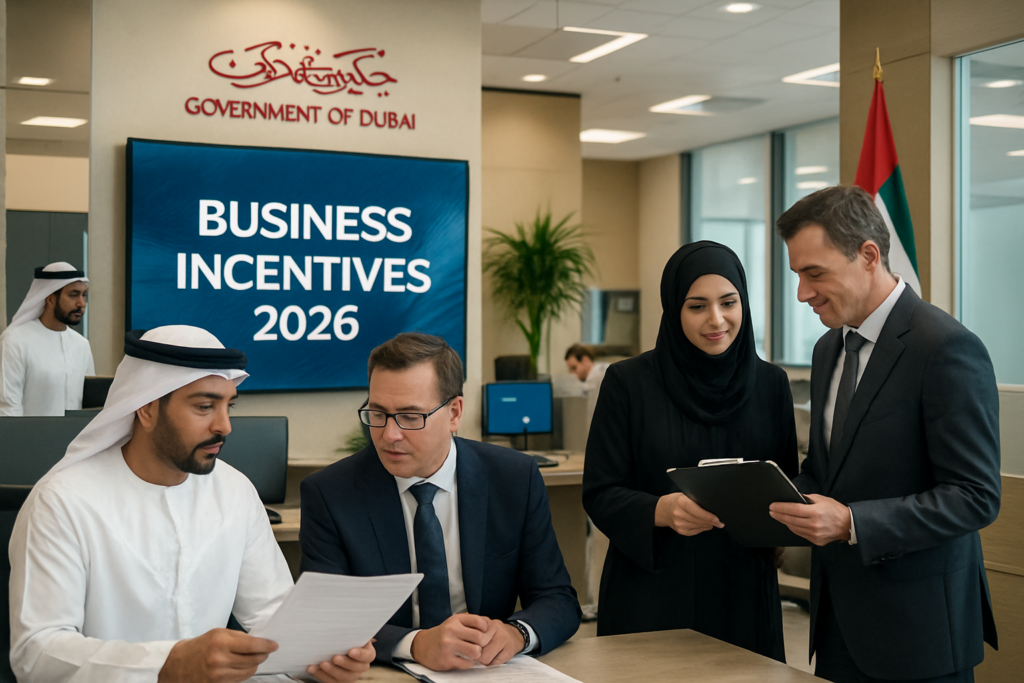
Dubai continues to stand out as a premier global business hub, offering unparalleled access to markets across the Middle East, Africa, and Asia. For entrepreneurs, investors, and families relocating to the city, Unlocking Dubai’s Business Potential: Top Government Incentives and Opportunities in 2026 provides a comprehensive roadmap to leverage the city’s latest initiatives. In this guide, we explore the key incentives, programs, and steps you need to know to establish and grow your business in Dubai.
Why Dubai in 2026? A Dynamic Business Landscape
Over the past decade, Dubai has invested heavily in infrastructure, technology, and policy reforms to attract global talent and capital. By 2026, the city aims to further strengthen its position through:
- Advanced digital infrastructure: 5G networks, smart city applications, and AI-driven government services.
- Sustainability initiatives: Green energy targets, net-zero buildings, and environmental regulations that support eco-friendly enterprises.
- Diversified economy: From fintech and logistics to tourism and healthcare, Dubai’s sectors offer opportunities for specialized businesses.
With these pillars in place, businesses can tap into robust frameworks designed to streamline operations, reduce costs, and foster innovation.
Government Incentives Overview
Dubai’s government has rolled out several incentives aimed at attracting foreign direct investment and encouraging local entrepreneurship:
- Zero Personal and Corporate Income Tax: Applicable to most businesses and individual investors.
- 100% Foreign Ownership: In selected free zones and strategic sectors of the mainland.
- Fast-track License Approvals: Business licenses issued within days via online platforms like DubaiNow.
- Business Grants and Subsidies: Funding programs for SMEs, startups, and research-driven ventures.
- Access to Government Tenders: Exclusive bidding for companies registered in Dubai.
Free Zone Benefits: A Closer Look
Free zones in Dubai cater to various industries, each with unique advantages. Key highlights include:
- Jebel Ali Free Zone (JAFZA): Ideal for logistics, manufacturing, and trade companies with access to the world’s largest man-made harbor.
- Dubai Multi Commodities Centre (DMCC): A top choice for commodities trading, fintech, and blockchain businesses.
- Dubai International Financial Centre (DIFC): Targeted at financial services, insurance, and wealth management firms.
Benefits Common to All Free Zones:
- Full exemption from corporate taxes and customs duties.
- 100% repatriation of capital and profits.
- State-of-the-art office facilities with flexible leasing options.
- Tailored visa quotas for employees and their families.
Mainland Company Advantages
While free zones offer specific perks, a mainland company provides broader market access:
- Onshore Market Participation: Ability to trade directly with the local market and government entities.
- Unlimited Office Locations: You can operate from any part of Dubai, including high-street offices and retail outlets.
- Flexible Business Activities: Over 2,000+ activities approved by the Department of Economic Development (DED).
Note: With the new legislation effective 2026, certain strategic sectors now allow 100% foreign ownership on the mainland, leveling the playing field with free zones.
How to Leverage Tax Incentives in Dubai
One of the most compelling reasons to establish a business in Dubai is the favorable tax regime. Here’s a step-by-step approach:
- Identify the Right Jurisdiction: Choose between free zone and mainland based on your target market and business activity.
- Register Your Entity: Submit required documents—passport copies, business plans, and bank reference letters—to the respective authority (DED for mainland, relevant free zone authority).
- Secure Approvals: Obtain initial approvals, including trade name reservation and preliminary clearance for specific sectors (e.g., healthcare, education).
- Apply for Tax Exemptions: Leverage the Ministry of Finance’s portal to ensure zero corporate tax liability under existing allowances.
- Maintain Compliance: Adhere to annual audit and financial reporting requirements to preserve your tax status.
Guide to Visa Programs in 2026
Dubai offers a range of visa schemes tailored to entrepreneurs, investors, and skilled professionals:
- Golden Visa for Investors: 10-year residency for investments above AED 2 million in public investments or real estate.
- Green Visa for Skilled Professionals: 5-year visa with self-sponsored status for high-demand professions.
- Startup Visa: Two-year renewable visa for entrepreneurs backed by approved incubators or accelerators.
- Family Sponsorship: Investors and professionals can sponsor immediate family members under simplified health insurance requirements.
Each visa category comes with its own set of requirements and benefits. Emirates Business Setup can assist you in selecting and processing the right visa to align with your long-term goals in Dubai.
Sector-Specific Opportunities
Dubai’s strategic vision for 2026 highlights several sectors ripe for growth:
- Fintech and Digital Payments: Regulatory sandbox in DIFC and ADGM, plus government partnerships for CBDC pilots.
- Renewable Energy: Projects under the Dubai Clean Energy Strategy 2050 targeting 75% clean energy by 2050.
- Healthcare and Life Sciences: Expanded investment in cutting-edge hospitals, research centers, and biotechnology firms.
- Tourism and Hospitality: Post-Expo 2020 developments, including new hospitality zones and cultural districts.
- Logistics and E-commerce: Continued expansion of DP World’s facilities and Dubai Airport Free Zone operations.
How to Conduct Market Research in Dubai
Effective market research is crucial for making informed decisions. Follow this four-step research framework:
- Define Your Objectives: Clarify what you need—market size, customer demographics, or competitor analysis.
- Collect Primary Data: Surveys, interviews, and focus groups conducted locally or remotely.
- Analyze Secondary Data: Leverage government reports, industry publications, and Dubai Chamber research papers.
- Validate Insights: Partner with local consultancies like Emirates Business Setup to cross-check findings and refine strategies.
Practical Steps to Set Up Your Business in Dubai
Setting up a company in Dubai involves several administrative and legal steps:
- 1. Choose a Business Structure: Decide between LLC, branch office, free zone entity, or professional license.
- 2. Trade Name Reservation: Submit proposed names to the DED or free zone authority, ensuring compliance with naming conventions.
- 3. Initial Approval: Obtain no-objection certificates from relevant ministries if your activity is regulated.
- 4. Lease Office Space: Sign a tenancy contract (Ejari) for your physical office or flexi-desk in a free zone.
- 5. Finalize Licenses and Permits: Pay fees, submit all documents, and receive your trade license.
- 6. Open a Corporate Bank Account: Choose from local or international banks operating in Dubai, with options for multi-currency accounts.
- 7. Visa Processing: Apply for investor and employee visas simultaneously, adhering to quota limitations.
At each of these stages, partnering with a reputed local consultancy can expedite approvals and ensure regulatory compliance.
Case Study: A UK Fintech Startup’s Journey
In 2025, a London-based fintech startup sought to expand into MENA markets. By leveraging Unlocking Dubai’s Business Potential: Top Government Incentives and Opportunities in 2026, they achieved:
- 100% foreign ownership in DMCC with a fintech license.
- Golden Visas for three founding members.
- Access to a government-led regulatory sandbox for digital payments.
- 0% tax liability for the first five years, saving over AED 1.2 million in operational costs.
With support from Emirates Business Setup, they completed the setup process in under 30 days and onboarded partnerships in Saudi Arabia and Bahrain within six months.
Common Challenges and How to Overcome Them
While the incentives are compelling, some entrepreneurs face hurdles such as:
- Complex Documentation: Misinterpretation of legal requirements can delay approvals.
- Banking Delays: Strict Know Your Customer (KYC) protocols may extend account opening timelines.
- Visa Quotas: Certain sectors have limited visa allocations, requiring strategic planning.
Solution: Engage local experts who can navigate regulatory landscapes, liaise with government departments, and streamline communication on your behalf.
Conclusion
Dubai’s vision for 2026 positions the city as an innovation-driven powerhouse, offering diverse incentives that cater to a wide range of industries. From tax exemptions and streamlined licensing to specialized visa programs and green energy commitments, the opportunities are abundant for those seeking to tap into one of the world’s fastest-growing economies.
By following this guide on Unlocking Dubai’s Business Potential: Top Government Incentives and Opportunities in 2026, and partnering with a trusted consultancy like Emirates Business Setup, you can accelerate your market entry, optimize costs, and focus on scaling your operations with confidence.
Ready to unlock your business potential in Dubai? Contact Emirates Business Setup today for personalized assistance, and take the first step towards a thriving future in the UAE.